

Land in a new city with work to do and the first question isn’t where to eat or what to see. It’s where can I actually sit down and get this finished.
Most “best cafés in [city]” lists are written by people having a nice time. They’ll tell you about the pastries. They won’t tell you the tables are the wrong height, the wifi drops every ten minutes, or that there’s exactly one power socket and a student got there first.
I spent a week working through the cafés of Reykjavik and paying attention to the things that actually matter. Here’s what I learned — the criteria first, because those travel anywhere, then the trip itself as the worked example.
What actually makes a café workable
1. Table height — the one nobody checks
This is the one I’d put first, and almost nobody thinks about it until they’re an hour in with a sore neck.
A lot of café tables are low — built for a cup and a plate, not a laptop and forearms. Sit at one for three hours and you’ll feel it for two days. The high-top and bar-height tables are usually the ones you want, and a place that has them has effectively told you it expects people to work there.
Check it before you order, not after.
2. Free wifi — and whether it holds a VPN
“We have wifi” and “we have wifi you can work on” are different claims.
The test I care about is whether it holds a VPN connection, because that’s where flaky networks show themselves. Plenty of café connections are fine for scrolling and fall apart the moment you’re doing anything sustained. If the connection struggles with a VPN it will struggle with a large upload, a video call, or a long remote session.
3. Are there other laptops already?
The fastest signal in the room, and it costs you nothing to read.
Walk in, count the laptops. If people are already working, the staff are used to it, nobody will hover, and the infrastructure has been tested by someone other than you. If you’d be the only one, you’re about to find out why.
4. Refills
Sounds trivial. It isn’t, if you’re there for four hours.
Free black coffee refills change the economics of a working session completely — and more importantly they change how you feel about occupying a table. Somewhere that refills your cup is somewhere that doesn’t mind you staying.
5. Chain or family-run
Both work, and they work differently.
Chains give you predictability: same layout, same wifi, same coffee, and usually more seats. If you’ve found one that works you can use every branch in the city.
Family-run places give you character and, more usefully, flexibility. Nobody’s following a policy about how long you can sit there. The trade-off is that you can’t predict them, and you have to test each one.
6. Light and noise, matched to the task
Dim, intimate lighting is lovely and it is not where you’ll write anything. Save the atmospheric basement for the evening.
For actual work you want daylight, a bit of ambient noise to disappear into, and a corner or a window seat so you’re not facing into the room.
The Reykjavik trip, as the worked example
I was travelling with three friends but still had writing to get done, which is how this list came about. Order an Americano, find a table, get things finished.
A note before you use this as an itinerary: this trip was in 2016, and I’ve since checked what’s still standing. Two of the five are still going. Of the rest, one closed and its web address now belongs to an Irish pub, one has gone from café to a mostly-online coffee brand, and my favourite of the lot appears to have shut altogether. Ten years is a long time in hospitality. Treat the names as illustration and the criteria above as the transferable part.
Kaffibrennslan — still there
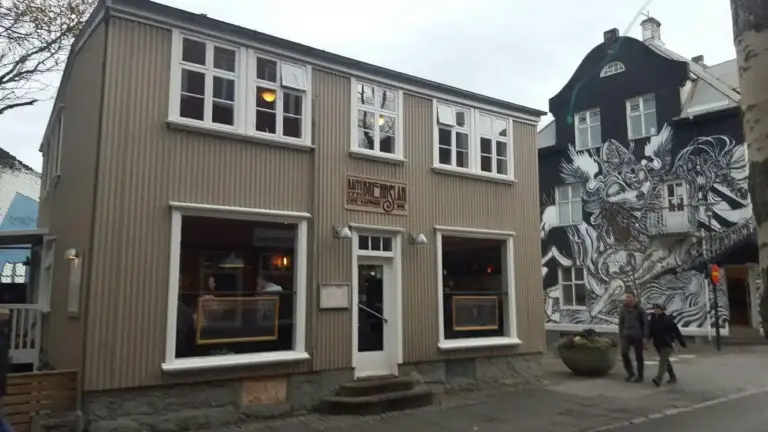
Kaffibrennslan was the first café I walked into, a hundred metres from the hotel, and I felt at home immediately. Laid back, rustic, family-owned rather than a formatted chain, and staff who were genuinely relaxed about someone setting up for a few hours.
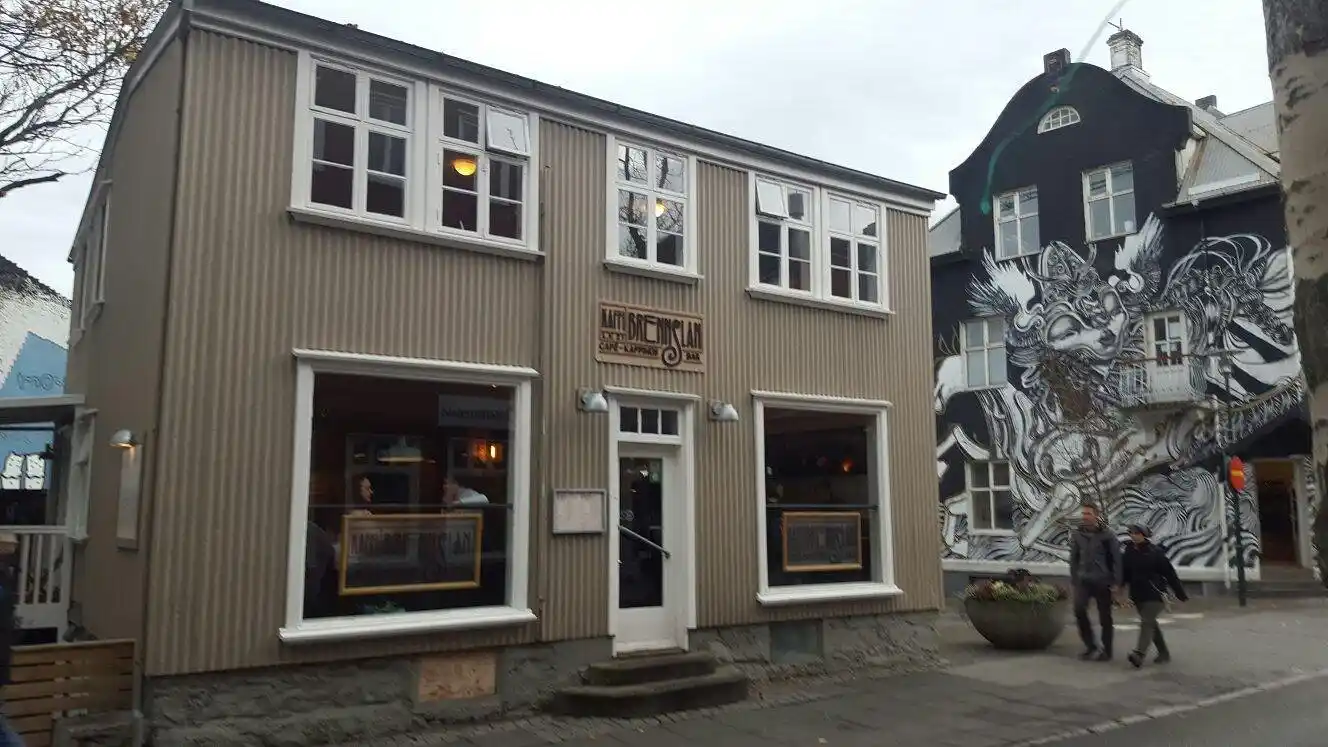
Two levels, outdoor seating, free wifi, good coffee, free black coffee refills — and the table height was right, which is why it’s the one I kept going back to. Decent breakfast too.
Te & Kaffi — still there
Te & Kaffi is the chain option, and a good one. Modern, calm, and when I walked in there were already people working — which, per criterion three, told me everything before I’d ordered.
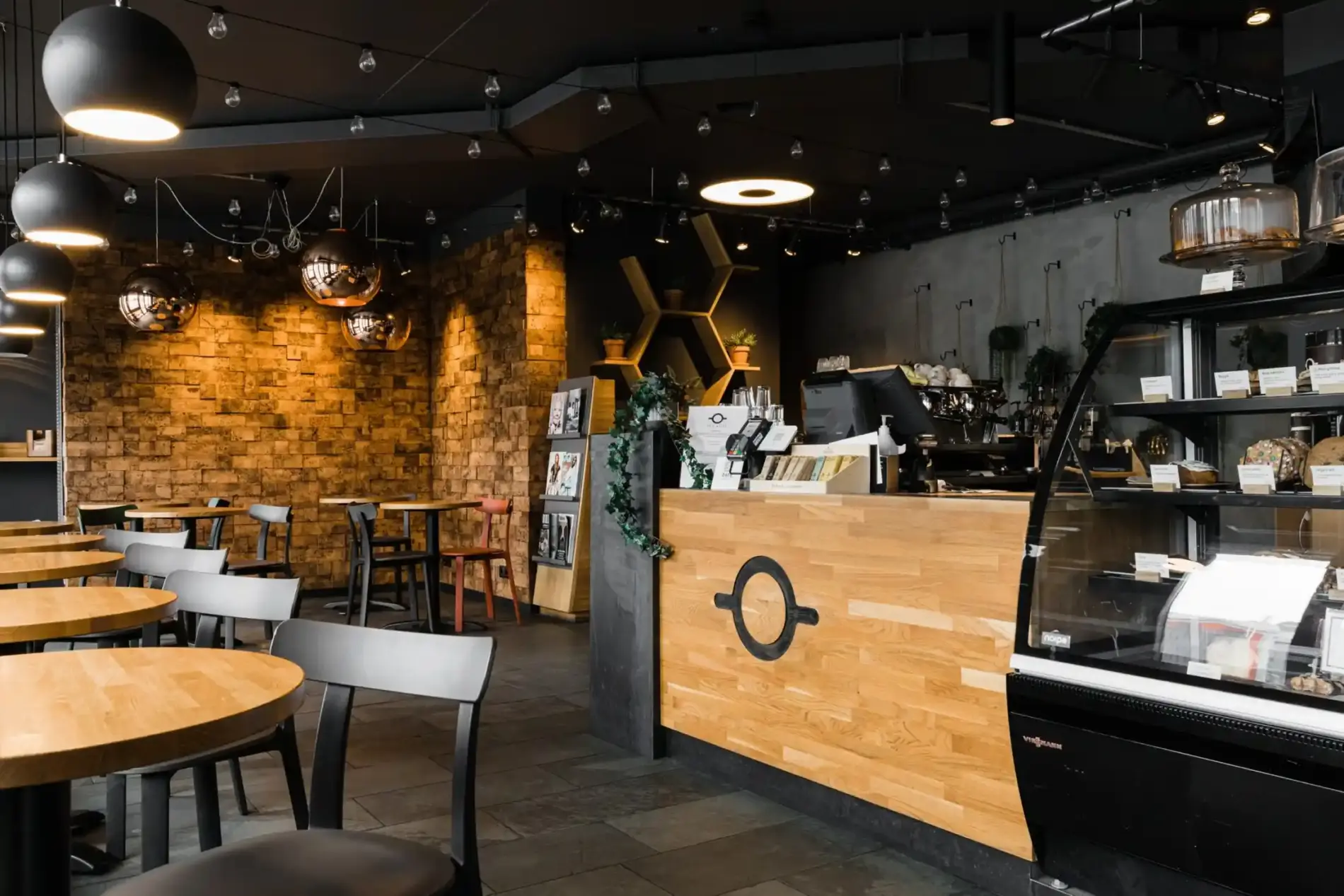
Excellent coffee, free wifi, and you can pick up the city hotspots there as a fallback. The one mark against it: I had trouble holding my VPN, which is exactly the failure mode criterion two is looking for. Fine for writing, worth testing before you rely on it for anything heavier.
Thirteen branches in Iceland, five of them in Reykjavik — so once it works for you, it works everywhere.
The three that taught me the rest
Tíu Dropar was a basement place — dim, intimate, genuinely lovely, and precisely the wrong lighting for getting anything done. Good for a date, as I said at the time. A local told me it was closing; the local was right, and the address now belongs to a pub. It’s the reason criterion six is on the list.
Kaffitár was small and cosy with a few seats facing the street, free wifi and free refills from the console. They roast their own beans and buy direct from the growers, which I liked. These days the brand has moved largely online.
The Laundromat Café was the one that stood out, and I found it on my last day, which is always how it goes. High tables, an interesting menu, good coffee, and five other laptop workers already in when I arrived — some of them waiting on the machines in the basement, because there was a working laundry underneath. An Icelandic concept, oddly enough started in Denmark.
When I walked in I asked the woman who came over whether they had wifi. She said “I love you.” I thought: I love Iceland.
Then I worked out that “iloveyou” was the wifi password.
We got on well after that. I finished my writing, told her she had good energy, and left. As far as I can tell it’s since closed, which is a genuine shame — it was the best working café I found in the city and the clearest example of what a place gets right when it actually wants you there.
The transferable bit
Cities change and cafés close. This article is proof of it — three out of five in ten years.
What doesn’t change is the checklist. Table height, wifi that holds under load, laptops already in the room, refills, knowing whether you want a chain or a one-off, and light that matches the work. Six things, thirty seconds to check, and they’ll save you a wasted afternoon in any city you land in.
Working from anywhere is only good if you can actually work when you get there.
Want the work to travel as well as you do?
The Web Designer Side Hustle is my beginner’s book on building websites for a living — a skill you can run from a café table in any country, with clients anywhere in the world. No coding, no design degree.